








![Assistant Athletic Director of Academic Retention & Services Jill Gerloff delivers the opening speech at her final NGWSD dinner before her retirement. “I love all of my athletes and my women's teams always show up for me, and I want to make sure that I can do something to show up for them,” Gerloff said. [File photo]](https://therambler.org/wp-content/uploads/2026/02/OpeningSpeaker_Gerloff-1200x800.jpg)




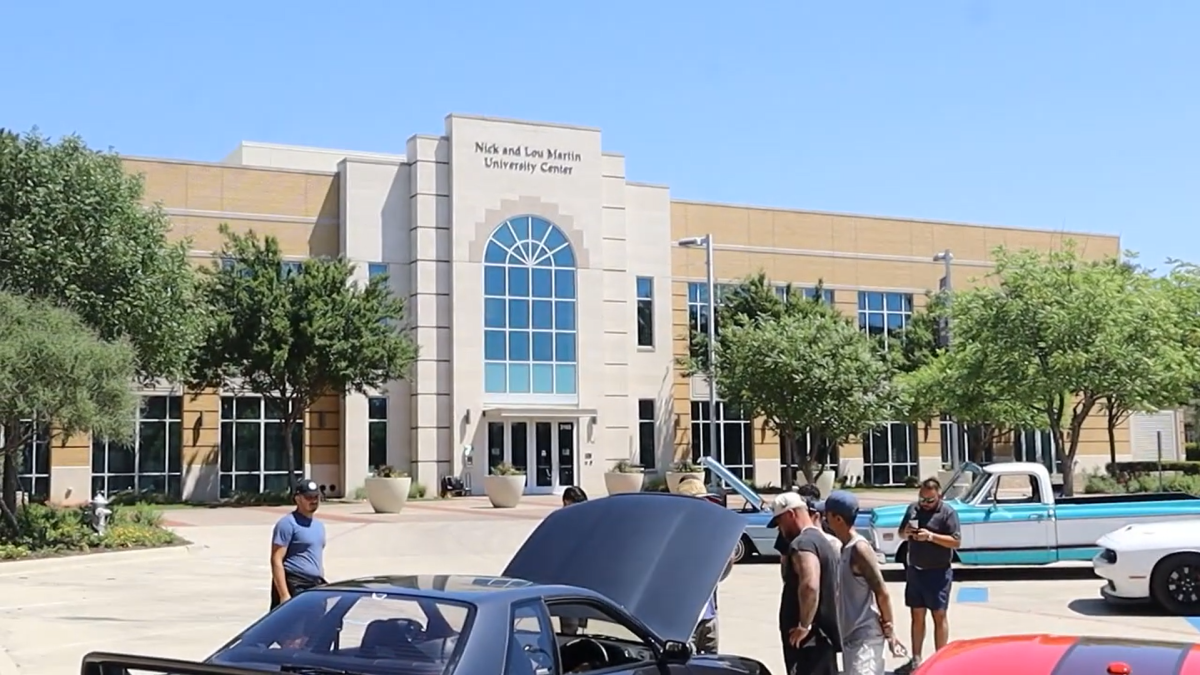











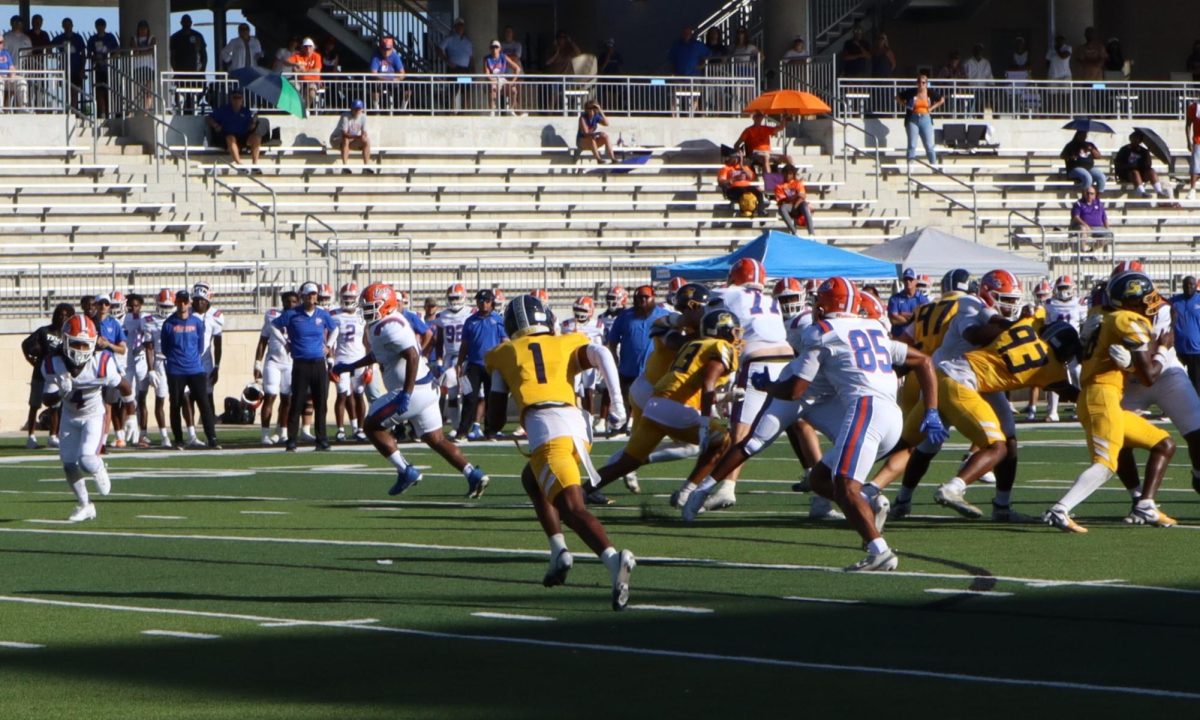
Texas Wesleyan’s announcement to transition from the NAIA to NCAA Division II has sparked polarization amongst students and faculty.
While I was initially excited and proud that our university’s athletics program was moving to “greener pastures”, I began to ponder the logistics of this move. It seemed out of nowhere, and the thought of a self-described small school moving to a bigger playing field of competition sounded like a head-scratching decision.
While the administration believes that now is the appropriate time to transition from NAIA to NCAA Division II, I believe history and ongoing campus issues serve as a warning sign.
A Brief History
This is not the first time that the department has moved to the NCAA; in 1998, the Rams joined the Division II level and competed in the Heart of Texas Conference. The reasons for the move, according to then Rams Athletics Director Rosie Stallman, included other NAIA teams joining the NCAA along with risk insurance benefits and national exposure.
In 2001, after Rams baseball became NCAA Regional Finalists [2000] and Rams softball winning the Heartland Conference Title [2000], a newly appointed university president, Harold G. Jeffcoat, made the decision to move the school down to NCAA Division III. To reduce spending, Jeffcoat made the decision to move down to Division III, where universities are not allowed to grant athletic scholarships. Although saving millions, the athletics department’s performance tanked. Student athletes and coaches fled the institution and felt blindsided by the administration’s financial decision.
In 2003, the Rams moved back to their old stomping grounds in the NAIA and have remained there to this day.
The reason the Rams moved all the way back to the NAIA was due to financial mismanagement and one move of desperation that set the department years back. My question is will the current administration handle finances effectively when the school begins NCAA Division II play in 2028?
A Step Too Far?
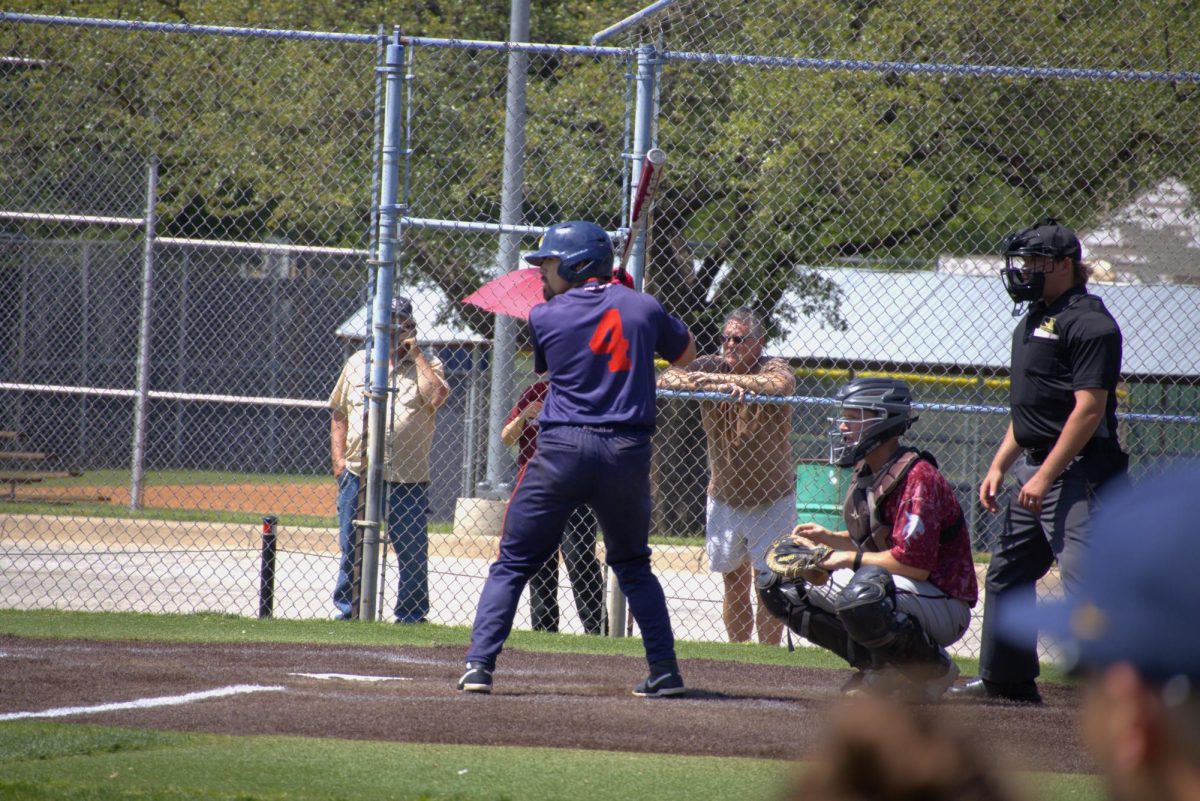
One of the most glaring issues regarding the move to NCAA Division II is the lack of facilities for all athletics programs. While Rams football, flag football, wrestling, soccer and basketball have their own team-controlled facilities, that still leaves several other teams without their own amenities. Rams baseball and softball still play at Sycamore Park which is owned by the city of Fort Worth, and the university has said nothing about the two teams upgrading ballparks, let alone acquiring locker rooms.
What do teams do if their facilities aren’t available or up to par? They spread across Tarrant County.
Rams’ tennis practices and plays at the Arlington Tennis Center, and dance & cheer often makes the trek to Burleson (TX) when the Sid Richardson gym isn’t available. Before the 2026 spring semester, Rams wrestling would have to travel to North Richland Hills on occasion due to the Sid Richardson Gymnasium not being able to accommodate all male and female wrestlers.
Even with the addition of the Karen Cramer Stadium, looking to house football, flag football, soccer, dance, cheer and track could cause scheduling issues similar to the Sid Richardson Gym.
Another issue is athletic scholarship distribution. In Division II, schools typically hand out partial scholarships which do not cover all expenses. While full-ride scholarships are available, the “partial scholarship” model is how an athletics department can save money and provide their student athletes with an even amount of money.
However, to have a successful recruiting season and to make the program attractive, a full-ride scholarship can easily sway athletically gifted recruits. With the move to Division II, will the university even distribute full-ride scholarships? If so, where will the money come from?
To set the record straight, I am not worried about how the Rams will compete against bigger teams. History shows that the Rams did phenomenally well against Division II competition, just ask baseball, women’s basketball, softball and men’s golf who all dominated.
My biggest concern is another facet of history repeating itself and TxWes running back to the NAIA because they can’t handle their finances or because they can’t provide their squads with proper facilities. Students weighing in on the move have mixed opinions—while some express shock and concern, others express hope for the near future. For me, someone who is passionate about sports and an avid Rams supporter, I am eager to witness how the Rams athletic department does in the NCAA.
![Sophomore theatre major Aaron Simons performs as Queen Gertrude from "Hamlet" in one of the play's many renditions of Shakespeare's classics. [Photo courtesy Lauren Hunt]](https://therambler.org/wp-content/uploads/2026/02/9T6A5280-1200x800.jpg)
![The Black Student Association's first Film Night was hosted in collaboration with the Fort Worth Film Club in the McFadden Science Center's Science Lecture Theatre. [Graphic courtesy Nijah Akpan]](https://therambler.org/wp-content/uploads/2026/02/Graphic-By-BSA-1.jpeg)